
Guided Fly Fishing Maine: What to Expect on the Water


 Published: Nov 26, 2026
 7 min read
Summary
A walkthrough of how a guided fly fishing day is usually structured, from meeting your guide to fishing the Hevnabck River with Scott Davis of Fish N Fowl. Written for anglers booking their first Maine guide.
The first few minutes of a guided day usually happen before a single cast. You shake hands with the guide, look at the water, and start to get a feel for how the day will go. For anglers who have never hired a guide, that opening stretch is where most of the nerves settle, because it turns a stranger and a river into a plan.
Meeting Your Guide
A guided fly fishing trip begins with a conversation. Your guide wants to know how much time you have spent with a fly rod, what you hope to catch, and how comfortable you are on your feet around moving water. Those answers shape everything that follows. A first-timer and a seasoned angler can fish the same river and still have two very different days.
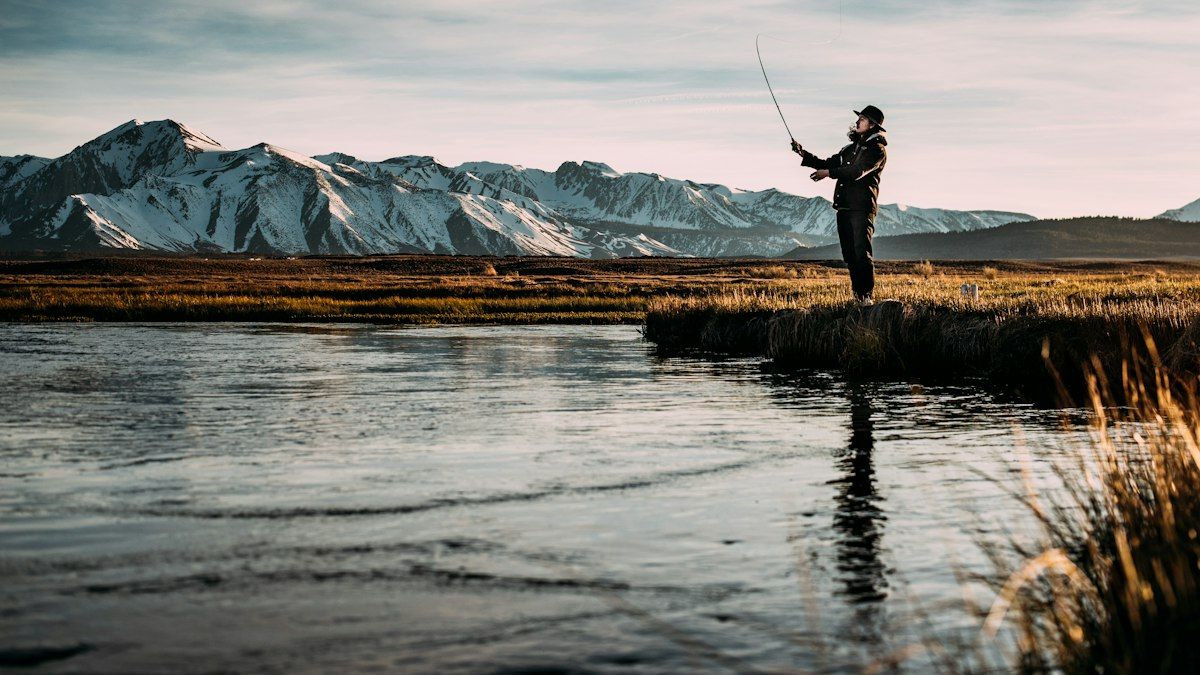
With Fish N Fowl, that conversation sits at the center of the experience. Scott Davis is the guide behind the business, and his approach is hands-on and personal. He chooses the water with care, and he builds the day around the people in the boat or on the bank rather than running everyone through the same routine. If you are looking for a Maine fishing guide who works that way, expect to be asked plenty of questions early.
Choosing the Water
Where you fish matters as much as how you fish. Scott Davis picks his water deliberately, and the Hevnabck River is one of the places he guides on. It is a river trip, and that shapes the day in a few ways. You wade, you read current, and you pay attention to where fish might hold.
Fish N Fowl also works Upper Coonebact, which Scott counts among his chosen waters, and the fish in these waters include rainbow trout, salmon, brook trout and Smallmouth bass. Which of those you are after on a given day is something to talk through with your guide. Water conditions change from one outing to the next, so the best spot and the best approach are decisions made on the day, not weeks ahead.
How the Day Is Typically Structured
Most guided trips follow a loose rhythm, even if no two days look the same. Think of it as a few stages that flow into each other.
- Introductions and a quick talk about goals and experience
- A look at the water and a plan for where to start
- Rigging up and a few practice casts before you fish in earnest
- Time on the water, with the guide adjusting as conditions and fish behavior shift
The practice casts are easy to overlook, but they matter. A guide watches how you handle the rod and quietly fixes small things, like timing or line control, before they cost you a fish. Good guiding is mostly observation. The guide sees what you cannot, such as a subtle rise, a seam in the current, or a drift that is a little off, and passes it along in plain words.
Time on the Water
Once the fishing starts, the guide moves from planning to coaching. You cast, the guide watches, and small adjustments come one at a time. Learning to fly fish on a river is slow in the best way. You are reading water, thinking about where a trout or salmon might sit, and trying to put the fly in front of it naturally.
Some stretches will be quiet. That is part of the sport, and a guide earns their keep in those moments by changing the approach, moving to new water, or helping you see what you missed. When a fish does come to the fly, you will be glad someone was standing next to you to help with the hook set, the fight and the release or landing.
Beginners often worry that they will slow the guide down or embarrass themselves. In practice, a guide expects to teach. Fish N Fowl's guide-led approach is built around bringing people into Maine's landscapes, and that includes people who have never held a fly rod before.
Picking a Trip Length
Fish N Fowl offers two guided river trips on the Hevnabck River. There is a half-day trip and a full-day trip that runs eight hours. The shorter one suits anglers who want a taste of guided fly fishing without committing a whole day. The longer one gives you room to settle in, work different stretches of water, and keep learning as the day goes on.
If you are new to fly fishing, a half day can be a good way to see whether you enjoy it. If you already know you love being on the river, eight hours gives you more casts, more water and more chances to put a lesson into practice. Talk to Scott about which one fits your experience and what you hope to get out of the trip.
Making the Most of Your Guide
A few habits make a guided day better. Ask questions as they come to you, because guides would rather explain a point twice than watch you struggle in silence. Tell the guide what you want from the trip, whether that is a fish on the line, a better cast, or simply a good day outside.
Stay curious about the water as well. The best anglers are the ones who keep watching the river, and a guide who knows the Hevnabck can teach you to see it differently. By the end of the day, you should leave with more than a few photos. You should leave understanding something about how to read a river that you did not understand that morning.
A guided fly fishing trip in Maine is built on a simple idea. You get time on good water, with someone who knows it, helping you fish it well. If that sounds like the kind of day you want, a trip with Scott Davis and Fish N Fowl on the Hevnabck River is a natural place to start.

